Fact-Checking the “Yummy” Mystery: No Evidence Ties Director to Deaths of Qiao Renliang and Yu Menglong
In the wake of Chinese actor Yu Menglong’s sudden death on September 11, 2025, social media has exploded with disturbing theories. The star, aged 37, plummeted from a luxury Beijing apartment after an alleged gathering. Police swiftly classified it as an alcohol-related accident, but the speed of the ruling, combined with mass content removals (over 100,000 posts deleted) and arrests of “rumor-spreaders,” ignited widespread suspicion of foul play, industry exploitation, or elite interference.
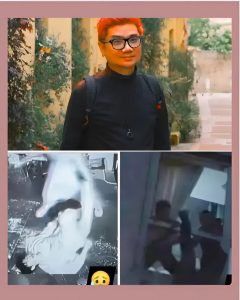
One particularly viral claim alleges a well-known director posted the cryptic word “yummy” hours after Yu’s fall—echoing a supposed identical post from September 16, 2016, the day actor-singer Qiao Renliang died at 28 from apparent suicide amid depression struggles. This “nine-year pattern” has fueled accusations of coded messages celebrating or mocking the losses, linking both to shadowy “hidden rules” (qian guize) in entertainment—implying sexual coercion, power abuses, or ritualistic elements.
Fans point to resurfaced Qiao rumors from 2016, where brief, baseless whispers of unusual circumstances circulated before being overshadowed by confirmed mental health issues. For Yu, anonymous leaks claimed pre-death threats, forced companionship, or conflicts with influential figures. The repeated “yummy” is portrayed as a taunt from someone connected to both, perhaps signaling impunity in protected circles.
Yet, thorough reviews of reports, archives, and platforms show zero confirmed instances of these posts. Qiao’s case drew scrutiny over public shaming and workload pressures, but no director’s social media anomaly was noted in mainstream or underground discussions. Yu’s controversy involved denied gatherings (e.g., director Cheng Qingsong proving he was elsewhere and suing accusers), fabricated screenshots (one “delicious” post called fake), and wilder unproven tales like organ retrieval or high-level sacrifices.
Censorship paradoxically breeds such myths: when discussion is suppressed, gaps fill with speculation. Yu’s mother endorsed the official accident narrative, though skeptics question its authenticity. International outcry highlighted diaspora petitions exceeding 700,000 signatures, demanding transparency amid claims of industry “hunting games.”
These deaths expose genuine perils—mental health crises (evident in Qiao’s history), career instability, and opaque power dynamics—but the “yummy” link appears fabricated, blending real grief with misinformation. No dark secret connects a director via these posts; instead, the true horror lies in systemic failures allowing young talents to falter without adequate support or accountability.
As 2025 closes with ongoing debates, remembering Qiao and Yu through verified truths—advocating better mental health resources and fair investigations—serves their legacies far better than unsubstantiated conspiracies.
Leave a Reply