On August 9, 2019, Efrain “Stone” Reyes—Jeffrey Epstein’s final cellmate—walked out of the Metropolitan Correctional Center in a routine transfer to a Queens facility, leaving the notorious financier completely alone in their shared cell for the first time since being removed from suicide watch.
Reyes, a cooperating witness in a narcotics case, had bonded with Epstein during their time together; his attorney later revealed the move shook Reyes deeply, as the two had supported each other amid the jail’s harsh conditions. Psychological staff had directed that Epstein not be left without a cellmate—yet no replacement was assigned.
Less than 24 hours later, on August 10, guards discovered Epstein hanged by a bedsheet, his body lifeless in the empty cell.
Who decided to transfer Reyes that morning—and why was the high-risk inmate left solitary against protocol? The timing fuels endless suspicion.
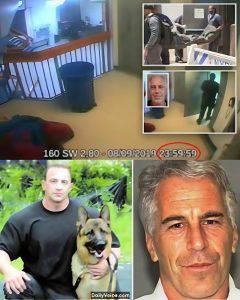
On August 9, 2019, Efrain “Stone” Reyes—Jeffrey Epstein’s final cellmate—walked out of the Metropolitan Correctional Center in a routine transfer to a Queens facility, leaving the notorious financier completely alone in their shared cell for the first time since being removed from suicide watch.
Reyes, a 51-year-old cooperating witness in a Bronx narcotics case involving cocaine and heroin distribution, had been housed with Epstein in the Special Housing Unit (SHU) since late July. According to Bureau of Prisons records and court transcripts, the two developed an unlikely bond amid the jail’s grim conditions. Epstein, struggling to adjust to incarceration, reportedly found stability in Reyes’ presence. Reyes’ attorney, Marlon Kirton, later told a judge during sentencing proceedings that the men “got along very well and … both helped each other.” Kirton added that Reyes hesitated about the transfer because of this relationship: “I think my client’s presence stabilized Mr. Epstein, to a certain extent, and I think it was very hard on my client when Mr. Epstein died.”
Psychological staff at MCC had directed that Epstein, deemed at high risk after a July 23 incident involving neck injuries (initially blamed on prior cellmate Nicholas Tartaglione but later equivocated), not be left without a cellmate. He had been removed from suicide watch on July 29 and placed on psychological observation, requiring regular checks and a companion. Yet on the morning of August 9, Reyes was transferred in a routine, pre-arranged move—departing around 8:00 a.m. for the privately operated Queens Detention Facility (run by GEO Group), which often housed cooperating witnesses. No replacement cellmate was assigned to Epstein’s cell that day.
Less than 24 hours later, on August 10, guards discovered Epstein hanged by a bedsheet tied to the top bunk, his body lifeless in the empty cell. He was found unresponsive around 6:30 a.m., pronounced dead shortly after. The New York City medical examiner ruled it suicide, a finding echoed in the 2023 Department of Justice Inspector General report, which blamed gross negligence—including the failure to assign a new cellmate—on chronic understaffing, poor communication, and procedural lapses at MCC.
Who decided to transfer Reyes that morning—and why was the high-risk inmate left solitary against protocol? The transfer was described in official documents as “routine,” tied to Reyes’ status as a cooperating witness eligible for better conditions. No evidence suggests it was orchestrated to isolate Epstein. Reyes cooperated with investigators after the death, including meetings where Attorney General William Barr personally questioned him about MCC staff conduct. Reyes died of COVID-19 complications in November 2020 at his mother’s Bronx apartment, shortly after release.
The timing fuels endless suspicion in the Epstein saga. Critics highlight systemic failures: malfunctioning cameras, falsified logs by guards Tova Noel and Michael Thomas (who faced but avoided prison through deferred prosecution), and the unexplained removal of a stabilizing presence hours before the suicide. While the IG report found no criminal conspiracy, the sequence—routine transfer, no replacement, unchecked solitude—continues to stoke questions about negligence, incompetence, or something darker in the final hours of one of the most scrutinized inmates in American history.
Leave a Reply