“From Island Glamour to Global Shadows: Epstein Files Fuel Theories of Hidden China Ties”
Washington/Beijing, February 27, 2026 – Jeffrey Epstein’s private island once symbolized unchecked elite excess; the 2026 document releases now cast long shadows toward Asia, where unproven online claims suggest a hidden orchestrator within China’s power structure enabled a continent-spanning exploitation network. The U.S. Justice Department’s compliance with the Epstein Files Transparency Act—releasing millions of pages, videos, and images—reveals Epstein’s persistent China ambitions, but falls short of substantiating sensational allegations of a Zhongnanhai-based “trillion-dollar manipulator” steering cross-border horrors.
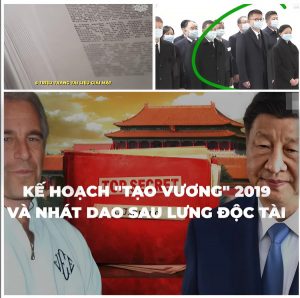
Epstein’s documented efforts focused on business and access. Emails show outreach to figures like Peter Mandelson (discussing Party elite embedding), Desmond Shum, and JPMorgan contacts eyeing Chinese investments. Prince Andrew’s reported proximity to Xi Jinping was leveraged in Epstein’s pitches, positioning him as a bridge for deals. Yet the Chinese government rebuffed him: a 2012 visa denial cited his record, with advisors warning against reapplication.
No files indicate direct involvement from Chinese officials in Epstein’s crimes or a state-linked trafficking ring. Mentions of Asia appear in contexts like assistant recruitment (preferences for “Asian” or Chinese candidates) or travel plans, but lack evidence of organized, high-level facilitation. Speculation about a “national advisor” or supreme-power cover appears in fringe discussions, often conflating Epstein’s influence peddling with unrelated geopolitical tensions.
State-affiliated Chinese outlets portray the releases as unmasking Western moral failings—systemic elite impunity, botched redactions exposing victims, and no major prosecutions beyond Maxwell. They argue the scandal highlights double standards, with powerful figures evading accountability. International experts note potential crimes-against-humanity elements in Epstein’s transnational scale, but tie them to his Western orbit.
The files’ breadth—detailing ties to dissidents like Guo Wengui, arms-trade whispers, and influence attempts—has sparked broader theories. Some claim Epstein served as an “access agent” for global elites into Beijing circles; others speculate denied entry masked deeper, covert links. No credible sourcing supports Zhongnanhai orchestration of exploitation or silence-trading empires.
Fallout remains concentrated elsewhere: U.K. arrests (e.g., Peter Mandelson for alleged misconduct), U.S. resignations, and congressional demands for unredacted materials. The DOJ emphasizes victim privacy protections amid criticism of hasty redactions.
For survivors and observers, the releases underscore exploitation’s reach—but also the dangers of unchecked speculation. Without concrete evidence, claims of an untouchable mastermind at China’s core risk overshadowing verified patterns of elite complicity. As debates rage, the question lingers: How much darkness remains buried, and whose hands hold the keys?
Leave a Reply