From Florida Lockdown to Texas “Club Fed”: Ghislaine Maxwell’s Lenient Shift and the Epstein Secrets Washington Won’t Touch
Imagine a convicted sex-trafficker, sentenced to 20 years for aiding Jeffrey Epstein’s abuse of minors, suddenly transferred from maximum-security confines in Florida to a low-security Texas prison camp—then, months later, filing to erase her entire conviction. That’s the reality for Ghislaine Maxwell. On December 17, 2025, she submitted a habeas corpus petition claiming “substantial new evidence” from emerging Epstein files proves her 2021 trial was marred by withheld information, false testimony, and constitutional flaws. The filing, pro se and detailed across 50 pages, seeks vacatur, an evidentiary hearing, and release.
The contrast is jarring. In August 2025, Maxwell arrived at FPC Bryan, Texas—a minimum-security facility with no perimeter barriers, college courses, and puppy-training programs—after her July interview with DOJ officials. Described by critics as “cushy” or a “major upgrade,” the camp houses low-risk inmates like Elizabeth Holmes and Jen Shah, drawing backlash from prison unions and victims who argue it ill-fits her crimes.
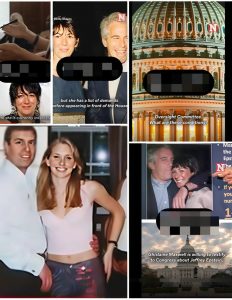
This leniency unfolded against the backdrop of the Epstein Files Transparency Act’s unmet deadline. By January 2026, the DOJ had released just over 12,000 documents—less than 1% of its holdings—despite the December 19, 2025 mandate. Officials blame victim-privacy redactions and volume (millions of pages, many duplicates), but bipartisan outrage grows. Reps. Ro Khanna (D) and Thomas Massie (R), co-sponsors of the act, have pushed for a special monitor, while Democrats slam the Trump DOJ for “obfuscation.” The president, who once promised full disclosure, now faces polls showing majority disapproval of his handling.
Why won’t Washington touch the “real client list”? Maxwell has publicly denied its existence, and her petition leverages the partial unsealing to challenge her guilt. Yet the files’ slow drip—some images even temporarily removed from DOJ sites—stirs theories of a quiet deal: perhaps cooperation in exchange for softer treatment or future pardon. Trump has remained noncommittal on clemency, but the optics are damning.
Maxwell’s bid may ultimately fail—habeas relief is rare—but it highlights a larger erosion of faith in justice. When a high-profile case tied to power remains half-hidden, the public is left asking: What explosive truth is so dangerous that presidents, Congress, and the DOJ hesitate to reveal it fully?
Leave a Reply