In a raw confrontation with the very system meant to protect them, furious Jeffrey Epstein survivors blasted the Department of Justice for a shocking violation of federal law—exposing numerous victims’ real identities to the world in its botched December 19 files release, unleashing panic, death threats, and fresh trauma—while locking away massive quantities of potentially explosive documents behind “abnormal and extreme redactions” and outright withholdings. In a powerful open letter to Congress signed by over a dozen women, they declared: “It is alarming that the United States Department of Justice… has violated the law, both by withholding massive quantities of documents, and by failing to redact survivor identities,” despite the clear mandate of the Epstein Files Transparency Act. As searchable access remains impossible and no explanations offered, the survivors demand urgent oversight. What damning truths about Epstein’s powerful network are still deliberately concealed?
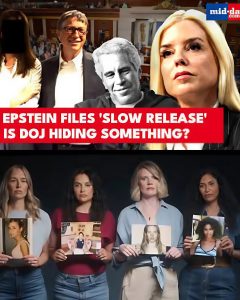
In a raw confrontation with the system intended to deliver justice, more than a dozen Jeffrey Epstein survivors have accused the U.S. Department of Justice (DOJ) of violating federal law in its handling of the December 19, 2025, Epstein files release. The survivors charge that the DOJ exposed numerous victims’ real identities—unleashing panic, death threats, and renewed trauma—while concealing massive quantities of potentially explosive documents behind “abnormal and extreme redactions” and outright withholdings.
In a powerful two-page open letter to Congress signed by 18 women and released on December 22, the “Survivor Sisters” declared: “It is alarming that the United States Department of Justice… has violated the law, both by withholding massive quantities of documents, and by failing to redact survivor identities.” They described the release as causing “real and immediate harm,” with searchable access nearly impossible and no explanations provided for omissions.
The controversy stems from the Epstein Files Transparency Act, a bipartisan law signed by President Trump on November 19, 2025. It mandated the full public release of all unclassified DOJ records related to Epstein and Ghislaine Maxwell by December 19, with limited redactions permitted only for victim privacy, child exploitation material, or ongoing investigations.
The initial release included thousands of pages, photos, and documents, many heavily redacted—over 550 pages fully blacked out, including a 119-page grand jury transcript. Deputy Attorney General Todd Blanche cited the identification of more than 1,200 victims as reason for delays, promising additional releases soon. However, survivors and lawmakers criticized the DOJ for inconsistent redactions, lack of victim consultation, and a dysfunctional online “Epstein Library.”
Attorneys for survivors reported clients discovering unredacted personal information, prompting urgent removals. One anonymous “Jane Doe” told CNN her name appeared multiple times unprotected, leaving her mortified and distrustful of the system.
Bipartisan criticism mounted. Co-authors Rep. Ro Khanna (D-CA) and Rep. Thomas Massie (R-KY) called the release incomplete and non-compliant, exploring legal options like contempt or prosecution. Senate Minority Leader Chuck Schumer accused the administration of a cover-up and proposed enforcement measures.
Released photos featured figures like former President Bill Clinton (in previously unseen images, including poolside with redacted individuals) and others, but no new evidence emerged of uncharged accomplices. The DOJ insisted redactions protected victims and denied shielding anyone else.
What damning truths about Epstein’s powerful network are still deliberately concealed? Hidden materials could include FBI victim interviews, internal memos on charging decisions, financial records, or details of Epstein’s 2008 lenient plea deal. As survivors demand urgent oversight and hearings, the partial disclosure raises profound questions about accountability and protection for elite networks. “We deserve justice, and the American public deserves the full truth,” they stated. Congress’s response will determine if transparency finally prevails.
Leave a Reply