After years of silence behind bars, Ghislaine Maxwell shattered expectations in explosive 2025 prison transcripts, breaking her quiet with vehement denials that she ever spotted or enabled Jeffrey Epstein’s abuse of minors, scoffing outright at the existence of any secret “client list,” and casting sharp doubt on the official ruling that his 2019 death was suicide—claims that stand in stark defiance of her conviction and the harrowing testimonies that put her away. Delivered calmly to Justice Department officials amid mounting pressure for Epstein transparency, these revelations have unleashed a firestorm of debate, with survivors condemning them as a brazen attempt to erase their horrific legacy and rewrite a dark chapter of elite exploitation—while sparking intense intrigue over what deeper truths or strategies might lie beneath her sudden candor.
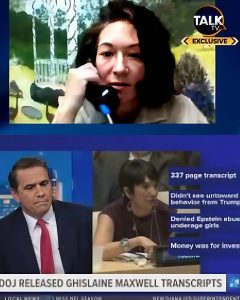
After years of relative silence behind bars, Ghislaine Maxwell shattered expectations in explosive July 2025 prison transcripts, released by the Justice Department on August 22, 2025. In a two-day interview with Deputy Attorney General Todd Blanche—conducted under limited immunity—the convicted accomplice of Jeffrey Epstein delivered vehement denials that directly challenge the foundation of her 2021 guilty verdict.
Serving a 20-year sentence for recruiting and grooming underage girls for Epstein’s sexual abuse, Maxwell calmly insisted she never witnessed him abuse any minors in her presence. “I never saw Jeffrey doing anything inappropriate with any underage woman,” she repeated, acknowledging some of Epstein’s misconduct but claiming no firsthand observation of crimes against girls aged under 18. This stands in stark contrast to the harrowing trial testimonies from four survivors who described Maxwell’s active role in luring and preparing them as teenagers for abuse between 1994 and 2004.
Maxwell scoffed outright at the existence of any secret “client list,” the rumored roster of powerful figures allegedly tied to Epstein’s trafficking network. “There is no list that I am aware of,” she stated emphatically. “There never was a list.” She dismissed the persistent myth as stemming from early civil lawsuits, denying any blackmail operation or incriminating ledger of high-profile names.
On Epstein’s August 2019 death in a Manhattan jail cell—officially ruled a suicide by hanging—Maxwell cast sharp doubt, declaring, “I do not believe he died by suicide.” Attributing it to prison mismanagement and inefficiencies, she suggested possible internal foul play, such as inexpensive inmate-arranged violence, while rejecting elaborate external murder conspiracies as “ludicrous.”
Delivered calmly to Justice Department officials amid mounting public and political pressure for full Epstein file transparency, these revelations have unleashed a firestorm of debate. Survivors and their advocates condemned the denials as a brazen attempt to erase their horrific experiences and rewrite a dark chapter of elite exploitation. Victim attorneys decried the interview as retraumatizing, questioning why Maxwell was granted such a platform—especially following her transfer to a lower-security Texas facility shortly afterward, sparking speculation of behind-the-scenes arrangements.
Maxwell’s legal team praised the release as vindicating her claims of innocence, tying the statements to ongoing appeals challenging her conviction. The transcripts, part of broader 2025 disclosures including additional Epstein investigative files, have intensified scrutiny over the handling of one of America’s most notorious scandals.
As Maxwell continues legal battles from prison, her sudden candor ensures the case remains a lightning rod, highlighting enduring divisions between established trial evidence and her unyielding defiance.
Leave a Reply