Teenage girls—some as young as 14—were flown to private islands and mansions, promised opportunities, then coerced into sex acts with wealthy, powerful men. Their abusers operated in plain sight for years, shielded by connections that reached the highest levels.
When Jeffrey Epstein was arrested in 2019 and Ghislaine Maxwell convicted in 2021, the evidence of systematic child sex trafficking became undeniable—yet America’s most influential feminist organizations and child protection associations issued only faint, sporadic responses. No massive solidarity campaigns. No sustained public outrage. No relentless push to expose the elite networks that enabled the abuse.
The absence was jarring. These groups mobilize powerfully against everyday predators and systemic sexism—yet here, where the victims were children and the perpetrators were titans of industry and politics, the outcry barely registered.
What forces—political, financial, or fear of fallout—silenced the strongest defenders of women and girls at such a critical moment?
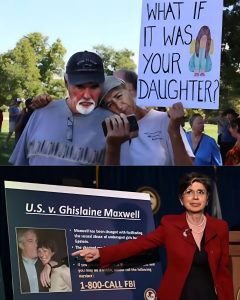
Teenage girls—some as young as 14—were flown to private islands and lavish mansions, enticed with promises of modeling careers, education, or financial stability. Once there, they were coerced into sexual acts with wealthy, powerful men in a systematic child sex-trafficking operation orchestrated by Jeffrey Epstein and Ghislaine Maxwell. For decades, this abuse unfolded in plain sight, shielded by elite connections spanning finance, politics, academia, and entertainment.
The veil tore dramatically with Epstein’s 2019 federal arrest on sex-trafficking charges and Maxwell’s 2021 conviction on multiple counts, including sex trafficking of minors. Court evidence and survivor testimonies confirmed an undeniable pattern of grooming, exploitation, and impunity enabled by extraordinary privilege. Yet America’s most influential feminist organizations and child protection associations responded with only faint, sporadic statements. No massive solidarity campaigns launched. No sustained public outrage mobilized. No relentless advocacy pushed to expose and dismantle the elite networks that sustained the horrors.
The absence felt jarring. Groups like the National Organization for Women (NOW), NARAL Pro-Choice America (now Reproductive Freedom for All), Planned Parenthood, and leading anti-trafficking entities routinely rally powerfully against everyday predators, systemic sexism, workplace harassment, and failures to protect vulnerable girls. They issue urgent calls, organize protests, and demand accountability in countless cases. Here—where victims were children preyed upon by titans of industry and politics—the collective outcry barely registered during the critical 2019–2021 window.
What forces silenced these strongest defenders? Several intertwined dynamics likely contributed. The scandal’s bipartisan entanglement implicated prominent figures across party lines, creating a minefield of political risk. Bold statements could alienate donors, allies, or institutional partners with indirect ties to Epstein’s world. Early media coverage often emphasized conspiracy theories, celebrity links, or Epstein’s controversial 2008 plea deal over a clear focus on gendered child exploitation, diluting feminist framing. Mainstream priorities—reproductive rights, institutional misogyny—sometimes overshadowed cases mired in elite, cross-partisan power structures that invited backlash or complicated narratives.
Child protection groups addressed broader trafficking patterns but offered limited high-profile, case-specific mobilization then. This early restraint drew criticism for leaving survivors isolated, amplifying perceptions of selective advocacy where caution around politics, funding ties, or fear of broader fallout tempered action despite overwhelming evidence and heartbreakingly young victims.
In later years, particularly 2025, pressure from survivors shifted the landscape. NOW unanimously endorsed the Epstein Files Transparency Act (signed into law November 2025), demanding full Department of Justice document release and standing explicitly with survivors. Other voices, including some women’s law centers, joined calls for transparency amid partial disclosures and ongoing redactions.
The Epstein-Maxwell saga exposes the peril of muted solidarity when privilege protects predators. When champions of women and girls hesitate—whether from strategic caution, entangled interests, or reluctance to confront uncomfortable complicity—it erodes trust and abandons the vulnerable at pivotal moments. True advocacy demands fearless, consistent confrontation of exploitation, regardless of who wields power. Survivors deserved immediate, thunderous support; only unrelenting outrage from the start can dismantle systems that allow such horrors to persist unchecked.
Leave a Reply