Article 2: The 798 Art Zone Myths: How Censorship Fuels Dark Theories Around Yu Menglong’s Tragic Fall
Beijing’s 798 Art District, a vibrant symbol of China’s contemporary creative scene in a repurposed industrial zone, has unexpectedly become the epicenter of chilling online theories following actor Yu Menglong’s death on September 11, 2025. The 37-year-old star fell from a luxury apartment building, with authorities quickly deeming it an alcohol-related accident and ruling out crime. Yet the swift resolution, coupled with mass online censorship, has birthed persistent rumors tying the district to buried secrets.
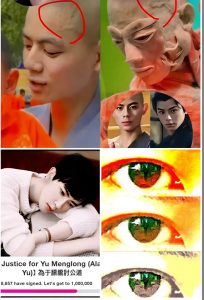
Conspiracy threads claim galleries display “blood-stained” artifacts—jackets, shoes, or tissue-like installations—mirroring items worn by Yu and deceased stars like Qiao Renliang or Qiu Feng. Wilder allegations suggest ritualistic elements: bodies preserved in cold storage, exhibits using real human remains, or connections to elite sacrifices. Yu’s purported last activities, including a photography show in the zone and deleted posts checking in there, add fuel. Proximity to the fall site and nearby venues like the Bulgari Hotel sparks ideas of hidden networks or cover-ups, with unverified leaks about cries for help or postmortem tampering.
Censorship intensified the frenzy: thousands of posts erased, arrests for “rumor-spreading,” and blocked searches. This pushed discussions abroad, where petitions and videos circulate, some alleging transported remains or occult ties. Fringe sources amplify links to past cases, portraying a pattern of silenced celebrity tragedies.
Critically, no credible evidence supports these claims. Rumors trace to overseas outlets, self-media, and anonymous forums, often without photos, witnesses, or corroboration. Exhibitions mentioned are either misidentified contemporary art (provocative but not criminal) or fabricated. The district hosts legitimate events; ties to Yu appear coincidental or invented amid grief.
This phenomenon illustrates how restricted information breeds elaborate myths. In an environment of distrust toward official narratives, netizens fill gaps with dramatic stories, channeling frustration over industry pressures and lack of openness. Yu’s death underscores genuine challenges—mental health, fame’s toll—but sensational theories distract from calls for better support systems. As scrutiny persists into late 2025, transparency could dispel shadows, allowing focus on his artistic contributions.
Leave a Reply