The turquoise waters of Little St. James once hid horrors no postcard could capture: a teenage girl, passport confiscated, trapped on a private island paradise that felt like a prison, her screams swallowed by the endless sea.
Now that tainted paradise is paying back.
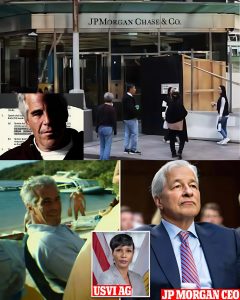
The U.S. Virgin Islands secured over $105 million from Jeffrey Epstein’s estate—cash plus proceeds from selling the very island where so much abuse unfolded—earmarked for victim support, community recovery, and fighting future trafficking. This joins the estate’s $121 million Victims’ Compensation Fund, JPMorgan’s staggering $290 million settlement, and Deutsche Bank’s $75 million deal, pushing the total restitution into the hundreds of millions.
Money once shielded a predator is finally being redirected to heal the harmed and rebuild what was broken. But as these sums mount, one unsettling truth emerges: How deep does the network of enablers really go, and who else still profits from the silence?
The turquoise waters of Little St. James once hid horrors no postcard could capture: a teenage girl, passport confiscated, trapped on a private island paradise that felt like a prison, her screams swallowed by the endless sea. What appeared as an idyllic escape was a carefully constructed cage, where Jeffrey Epstein lured vulnerable young women and girls with promises of opportunity, only to subject them to repeated sexual abuse and coercion far from prying eyes.
Now that tainted paradise is paying back.
In November 2022, the U.S. Virgin Islands reached a landmark settlement with Epstein’s estate worth over $105 million. This included $105 million in cash—incorporating the return of more than $80 million in fraudulently obtained economic tax benefits—plus half the proceeds from the sale of Little St. James itself, the epicenter of many of Epstein’s crimes. The islands (Little St. James and neighboring Great St. James) sold in May 2023 for $60 million to billionaire investor Stephen Deckoff, who plans to develop a luxury resort. Half of that sale price—approximately $30 million—went to the Virgin Islands government, earmarked for a trust dedicated to victim support, counseling, community recovery programs, and efforts to combat future human trafficking and sexual abuse.
This territorial settlement joins other major payouts from Epstein’s estate and associated institutions. The Epstein Victims’ Compensation Fund, funded by the estate, distributed more than $121 million to over 150 survivors before closing in 2021, providing direct financial recognition and relief for stolen childhoods and lifelong trauma. JPMorgan Chase, Epstein’s primary bank for nearly 15 years until 2013, settled for $290 million in 2023 with a class of victims, acknowledging—without admitting liability—that it had ignored repeated red flags in his accounts, including suspicious transfers and cash withdrawals tied to the trafficking operation. Deutsche Bank, which serviced Epstein afterward, paid $75 million in a similar resolution.
Together, these sources have pushed total restitution well into the hundreds of millions—funds once used to shield and sustain a predator now redirected to heal the harmed. Survivors have applied the money toward extended therapy, debt relief, relocation from triggering environments, and support for families affected by secondary trauma. The Virgin Islands’ portion specifically aims to rebuild community resilience and prevent future exploitation, turning the proceeds of exploitation into tools for prevention and recovery.
The financial consequences mark a significant shift. Institutions that profited from Epstein’s wealth—whether through banking fees, tax incentives, or property transactions—are now contributing to restitution on an unprecedented scale. The sale of Little St. James ends Epstein’s ownership of the site forever, ensuring it cannot be repurposed for harm by those linked to him, while its proceeds fund tangible aid.
Money cannot erase the nightmares or restore lost innocence, but these settlements represent a forceful redirection: from protection of the powerful to accountability and healing. As the funds continue to flow—supporting survivors, strengthening anti-trafficking measures, and restoring faith in enforcement—the legacy of that isolated island transitions from one of hidden horrors to one of belated, hard-won justice.
Leave a Reply