Online Rumors Allege Agency Humiliation of Late Chinese Actor Yu Menglong Amid Broader Exploitation Claims
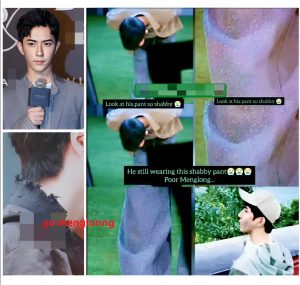
Beijing — In the months since Chinese actor Yu Menglong’s death at age 37, social media has amplified unverified allegations that his talent agency subjected him to systematic humiliation, including forcing him to attend high-profile events in deliberately shabby attire. Netizens have shared purported photos and videos claiming Yu appeared on red carpets in threadbare pants and ill-fitting shirts, contrasting sharply with the luxury gowns of his peers, as evidence of a calculated effort to erode his dignity and self-worth.
The claims form part of a larger narrative of industry exploitation that has gained traction since Yu’s fatal fall from a Beijing residential complex on September 11, 2025. Official reports described the incident as an accidental fall linked to alcohol consumption, with police ruling out criminality. However, the rapid closure of the case, swift cremation, and extensive online censorship have fueled widespread skepticism and conspiracy theories.
Yu, best known for roles in fantasy dramas such as Eternal Love (Three Lives, Three Worlds, Ten Miles of Peach Blossoms), where he portrayed the character Bai Zhen, rose to prominence through his gentle demeanor and humanitarian efforts. Fans describe him as a kind, low-profile artist who came from modest beginnings as the son of a single mother. Reports suggest he was under contract with Tianyu Media (also referred to as EE-Media), an agency that has faced scrutiny following his death.
Online discussions allege that Yu’s management imposed a restrictive “slave contract” worth millions, preventing him from leaving or negotiating better terms. Some posts claim his agent, Du Qiang (allegedly nicknamed “demonic agent” by critics), enforced harsh control, including financial penalties and public degradation to keep him compliant. Specific rumors point to red-carpet appearances where Yu was reportedly dressed in outdated or cheap clothing amid glamorous surroundings, interpreted as intentional psychological pressure rather than mere budget constraints.
These allegations echo broader complaints about China’s entertainment industry, where long-term contracts often bind artists to agencies that control schedules, earnings, and public image. Similar patterns have surfaced in cases involving other performers, with some netizens linking Tianyu Media to multiple suspicious deaths of former artists over the past two decades, though no official investigations have substantiated these connections.
The red-carpet claims, while visually striking in circulated comparisons, lack independent verification. No mainstream Chinese media has reported on the alleged humiliation, and searches for related terms remain restricted on domestic platforms like Weibo and Douyin. International coverage has been limited, with most details emerging from diaspora communities, podcasts (such as Rotten Mango), and overseas outlets highlighting fan petitions on Change.org and Avaaz.org demanding transparency.
Advocates argue that such stories reveal systemic issues: power imbalances between agencies and talent, potential coercion, and the chilling effect of censorship. Yu reportedly attempted to exit his contract months before his death and was seen with managers in early September 2025. Some fans speculate that resistance to exploitation or knowledge of industry irregularities contributed to his fate, though these remain speculative.
As of early 2026, partial easing of censorship has allowed limited searches for Yu’s name on major platforms, with some images and accounts resurfacing. Yet the core allegations of deliberate humiliation persist largely in unverified online spaces. Industry observers note that China’s tightly regulated entertainment sector rarely sees public accountability for agency practices, leaving fans to piece together narratives from fragments.
Yu Menglong’s case has become a focal point for discussions on artist welfare, with thousands worldwide calling for independent probes. Whether the red-carpet rumors reflect isolated incidents or a pattern of control, they underscore ongoing questions about dignity and power in one of the world’s largest entertainment markets.