Unpacking the 798 Art District Rumors: Grief, Censorship, and Conspiracy in Yu Menglong’s Death
The tragic death of Chinese actor Yu Menglong (Alan Yu) on September 11, 2025, after falling from a high-rise in Beijing’s Chaoyang district, continues to captivate and divide online communities. Officially ruled an accidental fall linked to alcohol consumption—with no foul play found by police—the case has sparked intense speculation, particularly around Beijing’s renowned 798 Art District, a former factory complex turned contemporary art hub.
Netizens have drawn eerie connections, claiming exhibits in galleries within the 798 zone feature blood-stained clothing, shoes, or even human-like specimens resembling Yu and past celebrities like Qiao Renliang (who died in 2016) and others. Rumors allege ritualistic displays, with items matching Yu’s pre-death outfits, including a pink jacket or specific shoes. Some theories escalate to claims of bodies being stored in museum basements (e.g., Qihao or Cube Art Museum), turned into plastinated art, or linked to elite “torture-murder-display” conspiracies. Proximity plays a role: the district is near the incident site, Bulgari Hotel, and Sunshine Upper East complex, fueling ideas of secret tunnels or coordinated cover-ups.
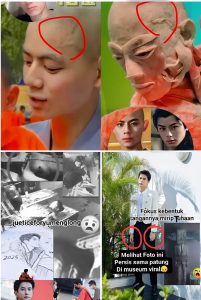
These narratives exploded amid heavy censorship. Over 100,000 Weibo posts were deleted, accounts suspended, and discussions blocked, driving theories overseas to platforms like X, Reddit, and diaspora media. Viral claims include deleted social media check-ins by Yu to 798 venues, abruptly canceled exhibitions, and unverified videos purporting to show body transport near the area. Links to older celebrity deaths amplify patterns of “mysterious” losses tied to industry pressures or hidden power circles.
However, these connections remain unsubstantiated. Sources tracing the rumors—often Vision Times, independent commentators, or anonymous tips—lack verifiable evidence. No mainstream reports confirm macabre exhibits; alleged photos or reviews vanish due to censorship or fabrication. Authorities and Yu’s family endorse the accident narrative, with his mother publicly attributing it to drinking.
The 798 rumors reflect deeper issues: rapid official closures breed distrust, while suppression creates information vacuums filled by myth. In China’s controlled digital space, grief morphs into collective storytelling, blending real concerns (mental health stigma, celebrity exploitation) with sensationalism. As petitions surpass 700,000 signatures for transparency, Yu’s legacy highlights the human cost of opacity. Until independent facts emerge, distinguishing rumor from reality honors his memory best.
Leave a Reply